
The Art of Problem-Solving
Unleashing the Power of Critical Thinking

Introduction
Problem-solving is an indispensable skill that transcends all aspects of life. From personal challenges to global issues, the ability to approach problems creatively and analytically empowers individuals and societies to overcome obstacles and drive progress. In this article, we delve into the art of problem-solving, exploring its significance, key strategies, and the impact it has on personal and professional growth.
Understanding the Essence of Problem-Solving

Problem-solving is the process of finding solutions to challenges or issues by analyzing the situation, generating ideas, and implementing effective strategies. It involves a combination of critical thinking, creativity, decision-making, and perseverance. As a skillset, problem-solving enables individuals to identify, analyze, and find solutions to various problems they encounter in daily life, work, and beyond.
At the beginning of this section, include an image that illustrates a person deep in thought, surrounded by puzzles, symbols, or complex equations. The picture should symbolize the thought processes involved in tackling problems, as individuals delve into the intricacies of a situation to unlock potential solutions.
Breaking Down the Problem: Identifying the Core Issue

One of the critical steps in problem-solving is breaking down complex issues into manageable parts. By isolating the core problem, individuals gain a clearer understanding of the challenge at hand, making it easier to devise effective solutions. This approach allows for a more focused analysis and aids in avoiding distractions or unnecessary complexities.
To complement this section, include an image that showcases a person dissecting a problem into smaller components, just like a jigsaw puzzle. The picture should represent the process of analysis and breaking down the problem, as individuals meticulously examine each piece to comprehend the bigger picture.
Creative Approaches: Thinking Outside the Box

Creativity is a powerful tool in problem-solving, as it encourages individuals to approach challenges from fresh and innovative perspectives. Thinking outside the box opens up possibilities that may not be immediately apparent through traditional methods. Creative problem-solving involves generating unconventional ideas, making unexpected connections, and challenging conventional norms.
Consider including an image of an artist or inventor brainstorming, surrounded by sketches and ideas. The picture should evoke the concept of creative thinking and unconventional approaches, capturing the essence of imaginative problem-solving.
Critical Thinking: Evaluating Options and Making Decisions

Critical thinking plays a pivotal role in the problem-solving process. It involves systematically assessing different solutions, considering their pros and cons, and making informed decisions based on evidence and logic. Critical thinking allows individuals to weigh the potential outcomes of each option and select the most suitable course of action.
To complement this section, include an image that shows a person weighing options on a scale or conducting research. The picture should convey the process of evaluating choices and the decision-making aspect of problem-solving, as individuals use critical thinking to arrive at the best possible solution.
Learning from Failures: Embracing the Growth Mindset
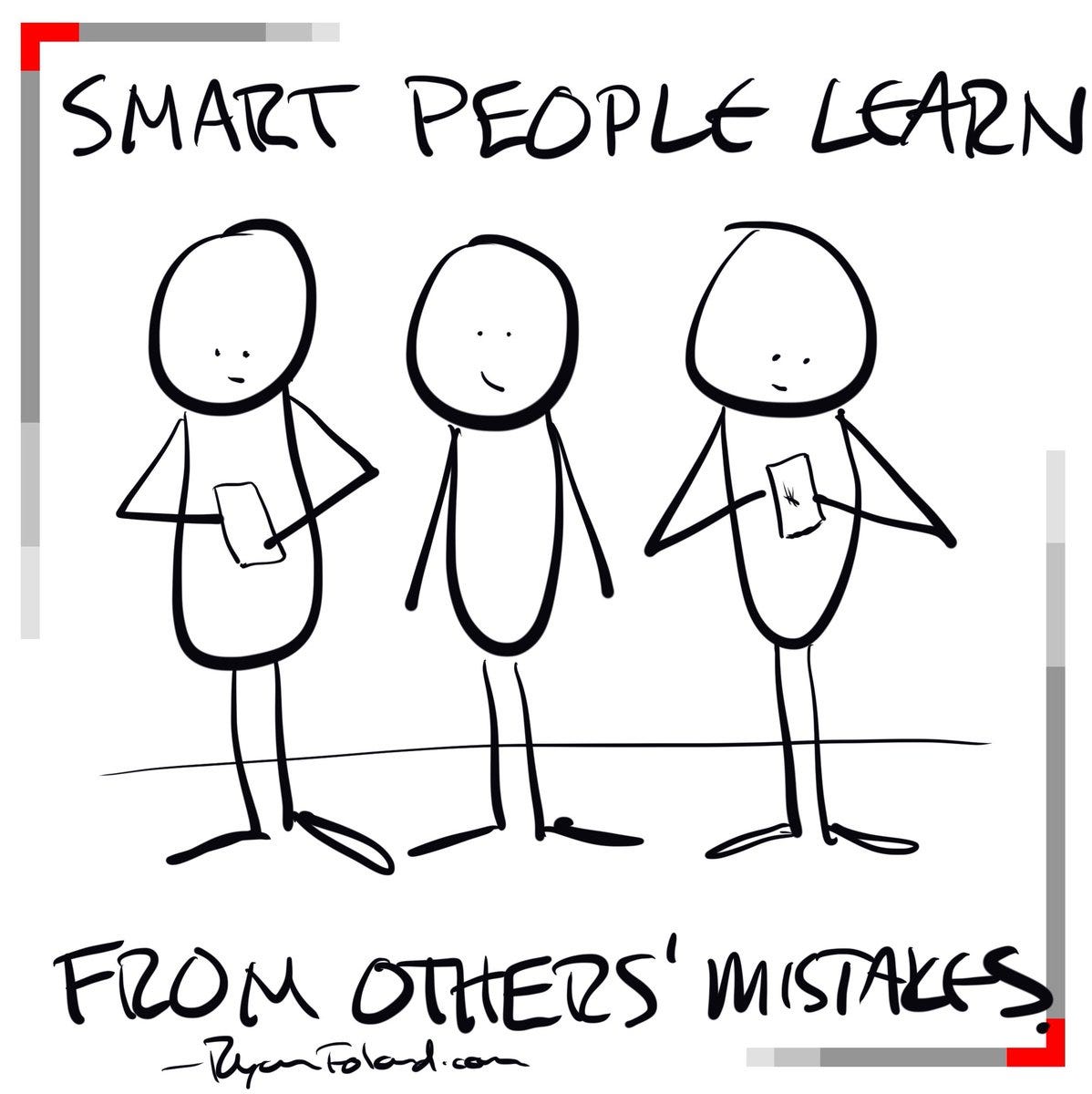
Failures are an inherent part of the problem-solving journey, and embracing them with a growth mindset is essential for personal development and growth. Viewing failures as learning opportunities fosters resilience, adaptability, and the courage to take calculated risks in future problem-solving endeavors.
Consider including an image that depicts someone learning from mistakes or overcoming obstacles. The picture should symbolize the determination to learn and improve from setbacks, as individuals embrace failure as a stepping stone to success.
Collaborative Problem-Solving: Harnessing Collective Intelligence

Collaboration enhances problem-solving by leveraging the collective intelligence of diverse individuals. Working together allows for a broader range of perspectives, ideas, and experiences, leading to more comprehensive solutions. Collaborative problem-solving encourages open communication, creativity, and the pooling of resources and expertise.
Highlight the power of teamwork and collaboration by including an image that represents diverse individuals working together on a project or sharing ideas. The picture should convey the spirit of cooperation and synergy among team members, illustrating the strength of collaborative problem-solving.
Problem-Solving in the Digital Age: Leveraging Technology

In the digital age, technology plays a pivotal role in problem-solving. Various tools, data analysis techniques, and automation processes aid individuals in understanding complex problems and devising efficient solutions. Technological advancements have revolutionized problem-solving approaches, allowing for faster, data-driven decision-making.
To complement this section, include an image that showcases the integration of technology in problem-solving processes, such as a person using a computer to visualize data. The picture should reflect the role of technology in enhancing problem-solving efficiency and expanding the possibilities of finding solutions.
Problem-Solving in Everyday Life: Real-Life Applications

Problem-solving is not confined to complex challenges or professional settings; it has everyday applications in various scenarios. From resolving conflicts in personal relationships to making everyday decisions, problem-solving skills are valuable in navigating life's challenges.
Include an image that depicts everyday scenarios where problem-solving is involved, such as organizing tasks or resolving household issues. The picture should highlight the practicality of problem-solving skills and showcase how these skills are utilized in various aspects of daily life.
Problem-Solving in Business and Innovation

Problem-solving is integral to businesses and driving innovation. Entrepreneurs, innovators, and decision-makers rely on effective problem-solving strategies to identify opportunities, address market needs, and drive positive change. Problem-solving is an essential component of organizational success and progress.
Examine how problem-solving is essential for businesses and fosters innovation by including an image that portrays entrepreneurs brainstorming business ideas or a product development team in action. The picture should convey the connection between problem-solving and entrepreneurial success, emphasizing how this skill drives innovation and growth in the business world.
Conclusion
In conclusion, the art of problem-solving is a multifaceted skill that empowers individuals to approach challenges with confidence, creativity, and analytical thinking. By understanding the essence of problem-solving, breaking down complex issues, employing creative approaches, utilizing critical thinking, embracing failures, collaborating with others, leveraging technology, and applying problem-solving skills in daily life and business, individuals can unlock their problem-solving potential.